Featured
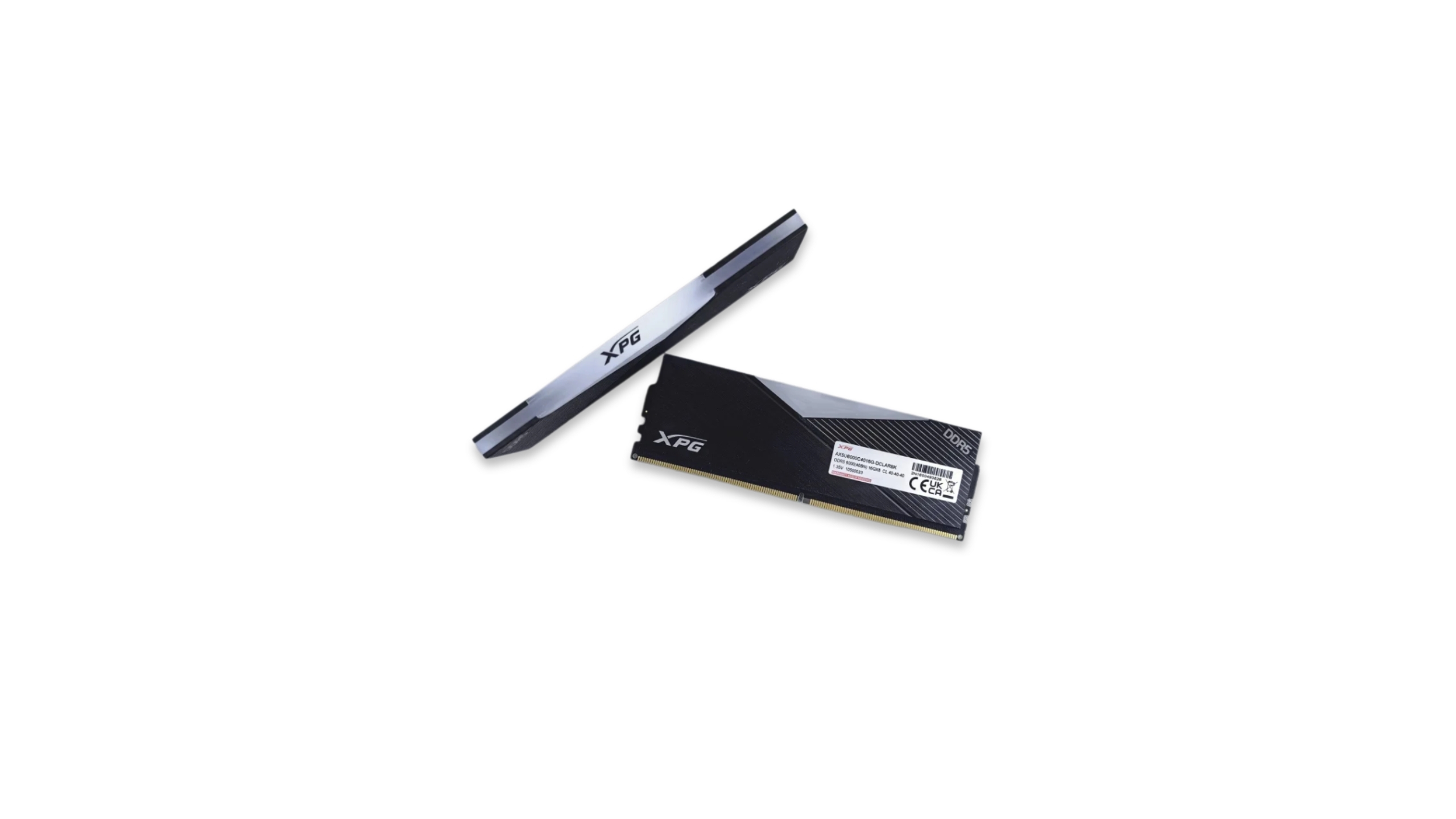
DDR5 RAM supply is tightening again as AI-driven demand pushes prices higher heading into 2026.

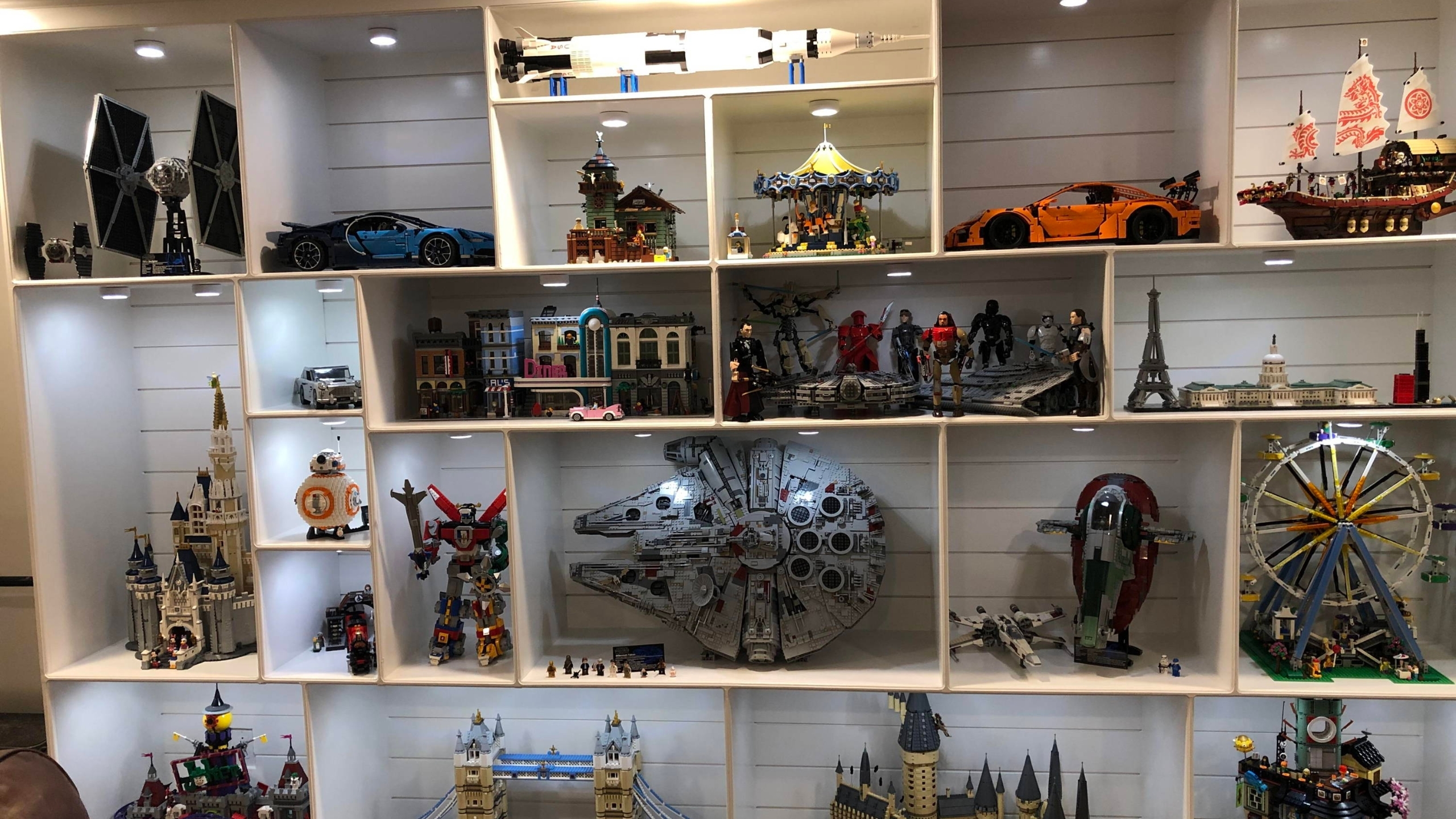
LEGO has quietly established itself as one of the most consistent investment categories in physical products over the past decade.
While often dismissed as toys, select LEGO sets have repeatedly delivered strong resale returns once production ends and retail availability disappears.
As 2026 approaches, tighter retirement cycles, theme-driven demand, and growing interest from adult collectors are pushing LEGO back into focus for resellers looking beyond short-term flips.
A key driver of LEGO’s resale strength is its structured product lifecycle.
Sets are produced for a limited period before being officially retired, after which supply becomes fixed while demand often continues to grow.
A significant portion of this demand now comes from AFOLs (Adult Fans of LEGO), who make up a large and growing segment of the LEGO market.
These buyers prioritise display value, exclusivity, and theme relevance, supporting sustained secondary market pricing long after retail exits.
Experienced LEGO investors typically assess sets using a consistent framework:
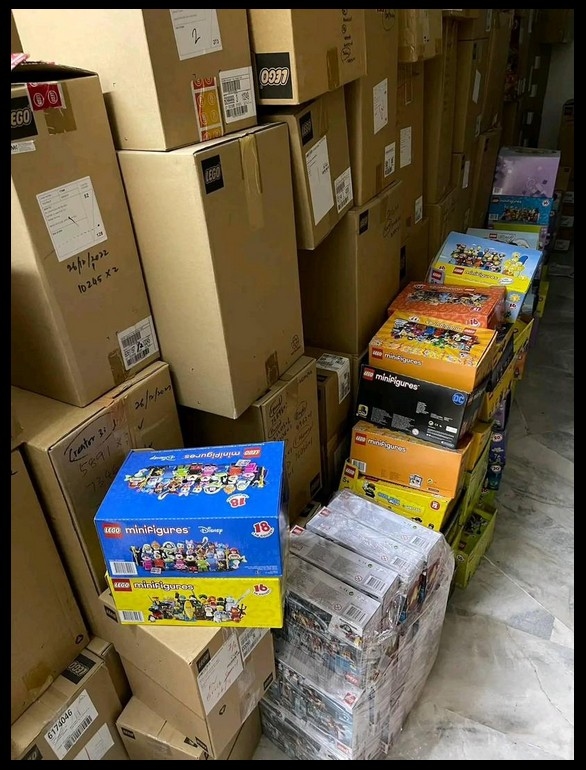
Minifigures – Unique or limited-appearance characters can significantly increase long-term value.
Shelf lifespan – Sets with shorter or uncertain production runs tend to appreciate more rapidly after retirement.
LEGO theme – Adult-focused and licensed themes historically hold demand better after retirement.
Exclusivity – LEGO Store exclusives or limited-distribution sets often outperform general releases.
These criteria help reduce speculation and focus capital on higher-conviction inventory.
LEGO investing is less about speed and more about positioning.
Retail pricing remains stable during production.
Once retirement approaches or stock thins, resale premiums often follow.
Demand is collector- and gift-driven rather than trend-led.
Storage-friendly products allow for scalable, low-maintenance inventory strategies.
This makes LEGO appealing to resellers seeking consistency rather than constant turnover.
LEGO sets follow predictable release and retirement cycles.
Production stops permanently once a set retires.
Secondary market supply tightens quickly post-retirement.
AFOL and collector demand remain strong.
Resellers holding sealed sets benefit from steady price appreciation.
Early signals suggest retirement timelines may continue tightening into 2026.
Within House of Resell, attention is shifting toward structured LEGO investing rather than isolated wins.
Tracking retirements, theme performance, and exclusivity allows members to build positions with intention instead of reacting late.
Dedicated LEGO guides, monitoring tools, and announcement alerts are expected to play an increasing role as the category matures further.
LEGO investing is not about buying everything.
It’s about understanding which sets hold long-term appeal and why.
With AFOL demand continuing to grow and supply windows becoming more defined, LEGO remains one of the most accessible and repeatable resale categories heading into 2026.
Those who focus on fundamentals rather than hype are likely to see the strongest results.
👉 A full Lego Investment Guide is available for House of Resell Elite Members, with additional LEGO-focused tools and announcements coming soon to House of Resell.
DDR5 RAM supply is tightening again as AI-driven demand pushes prices higher heading into 2026.

Rising chip costs, higher memory pricing, and potential supply cuts are putting graphics cards back on the resale radar heading into 2026.