Featured
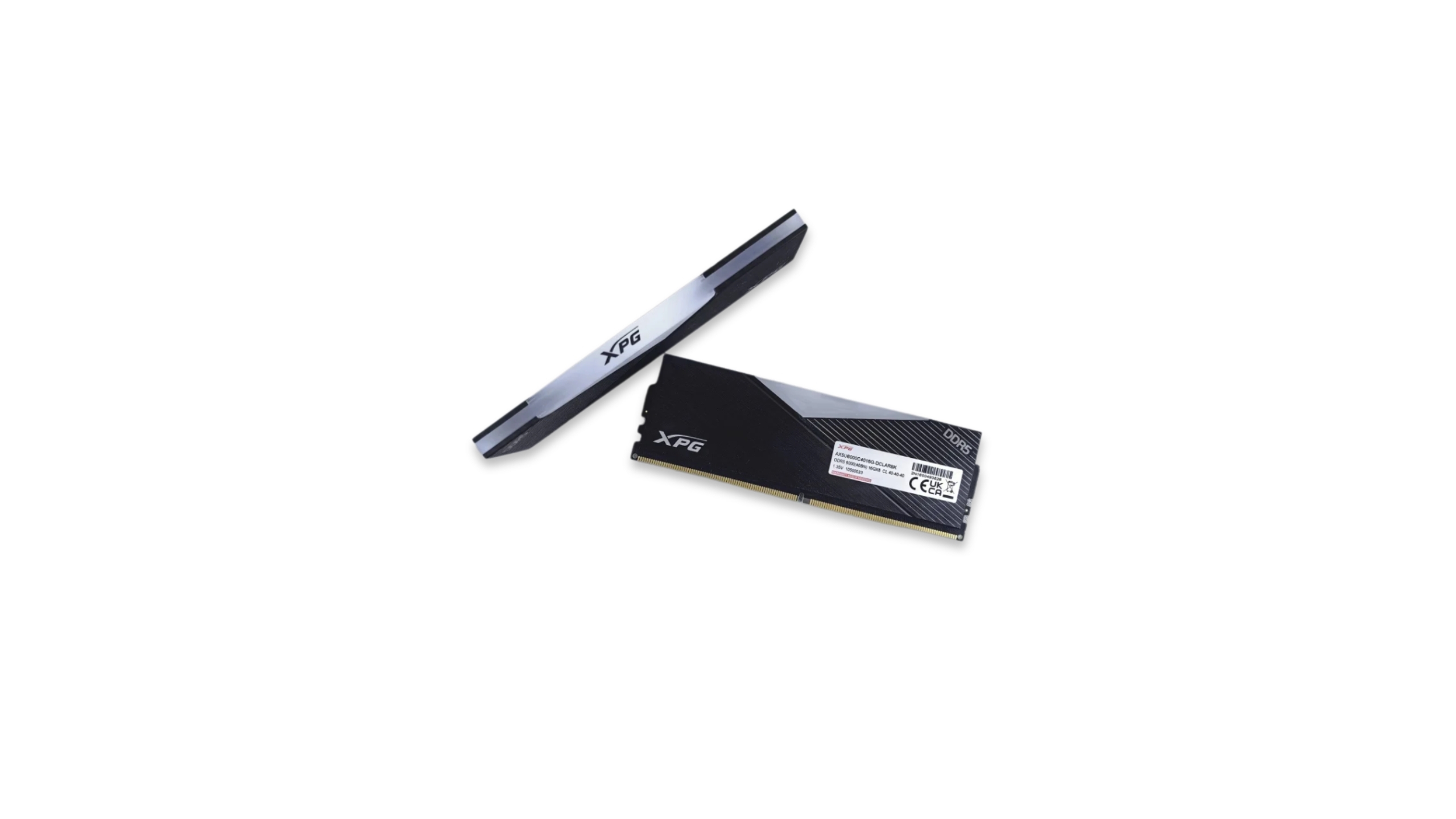
DDR5 RAM supply is tightening again as AI-driven demand pushes prices higher heading into 2026.

Graphics card pricing is showing early signs of pressure again as manufacturers face rising costs for chips and memory.
With rumours of reduced supply across parts of the next-generation GPU lineup, availability could tighten just as demand from gamers, creators, and system builders remains steady.
While retail prices are still relatively close to launch levels on several models, the underlying conditions suggest this window may not last.
The current pressure is being driven by a combination of semiconductor constraints and elevated RAM pricing.
High-speed memory has become increasingly expensive as AI infrastructure absorbs large volumes of supply, raising production costs across the GPU ecosystem.
Industry reports suggest NVIDIA may respond by scaling back output on selected models while increasing prices on others to protect margins, with mid-range cards expected to be affected first, as they sit at the intersection of cost sensitivity and mass-market demand.
This pattern mirrors previous GPU cycles where reduced supply led to rapid secondary market premiums.
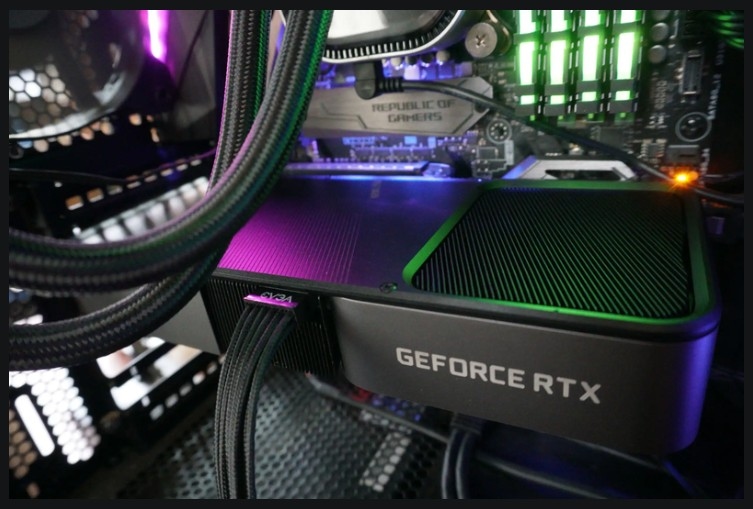
Retail stock may remain available short-term, but restocks are becoming less predictable.
Pricing increases often lag behind supply reductions, creating an early acquisition window.
Graphics cards secured near retail pricing have historically appreciated once availability tightens.
Demand is necessity-driven rather than hype-led, supporting faster sell-through.
As rumours spread, buyer urgency typically increases before official pricing adjustments are announced.
Rising chip and memory costs increase GPU production pressure.
Manufacturers reduce output or discontinue selected SKUs.
Retail availability tightens before prices officially rise.
Secondary market demand absorbs the remaining supply.
Resellers positioned early benefit from widening margins.
Similar dynamics are expected to extend into early 2026 if cost pressures persist.
Members within House of Resell are taking a more structured approach by using bespoke GPU monitoring tools designed specifically to track real-time graphics card availability across key retailers.
These monitors flag restocks the moment they go live, allowing members to secure cards while pricing is still close to retail and before wider market demand reacts.
This is particularly effective during short, low-volume restocks, where availability may only last minutes before selling out.
By pairing availability tracking with pricing awareness and historical resale data, members are able to identify which GPU models present the strongest risk-to-reward setups rather than buying blindly.
As supply becomes less predictable and rumours around production cuts continue to circulate, access to timely stock alerts is proving to be a decisive edge.
This is not a sudden hype cycle but a familiar supply-driven setup.
Just as previous GPU shortages unfolded quietly before becoming mainstream, current conditions suggest graphics cards could re-enter a profitable resale phase heading into 2026.
With prices still relatively stable and demand fundamentals intact, early positioning may prove more effective than reacting after supply tightens.
👉 Want to stay ahead of potential GPU supply shifts in 2026? Members inside House of Resell use live hardware monitors, pricing alerts, and real-time market insight to act before availability drops and prices move.
DDR5 RAM supply is tightening again as AI-driven demand pushes prices higher heading into 2026.