Featured
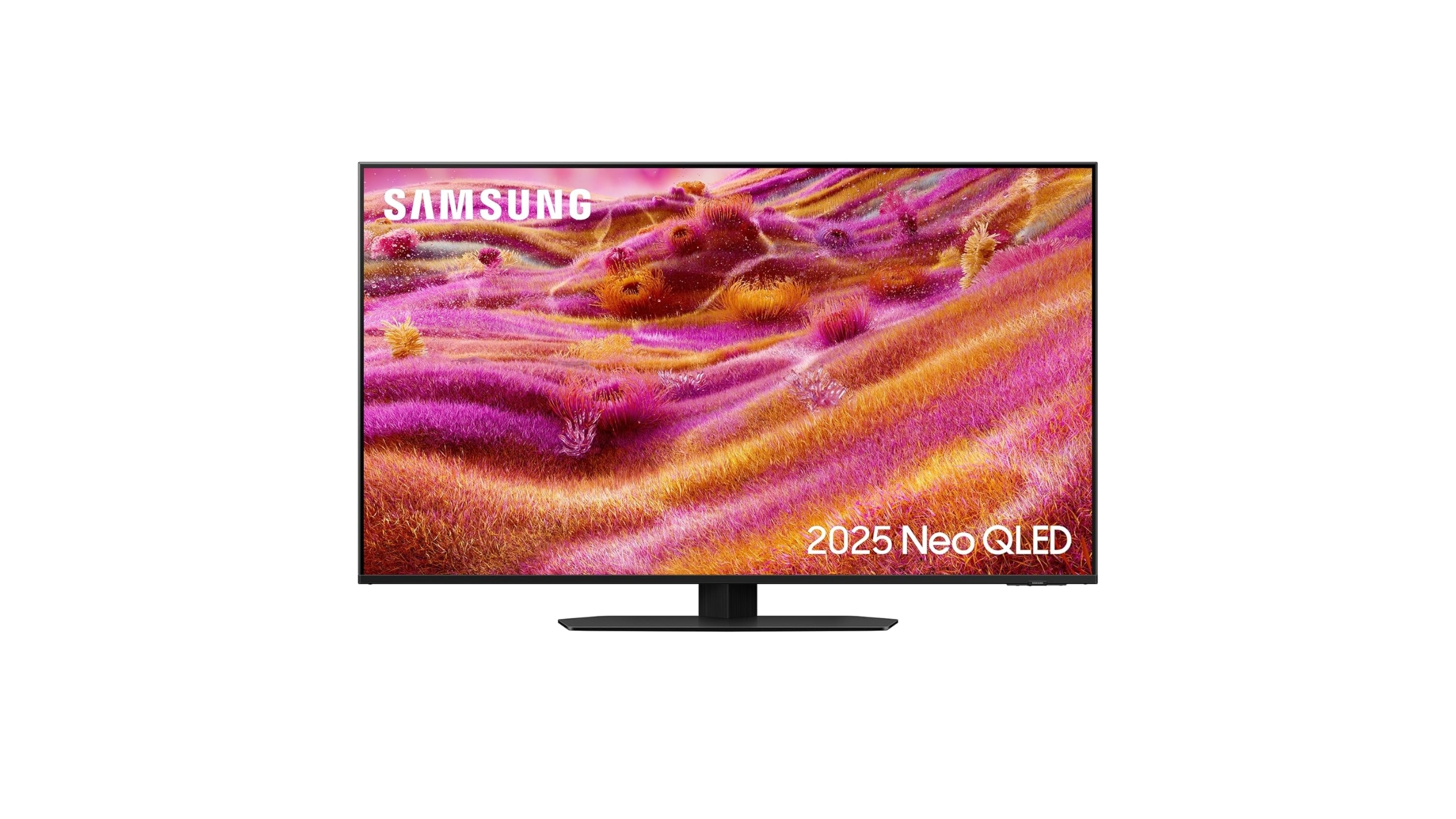
A rare Amazon FBA error briefly listed the £1,999 Samsung 75” Neo QLED for £1 — monitors caught it, but Keepa never did.

.jpg&w=3840&q=100)
Every so often, a retailer lists a product at a price that immediately makes you question whether somebody has pressed the wrong button.
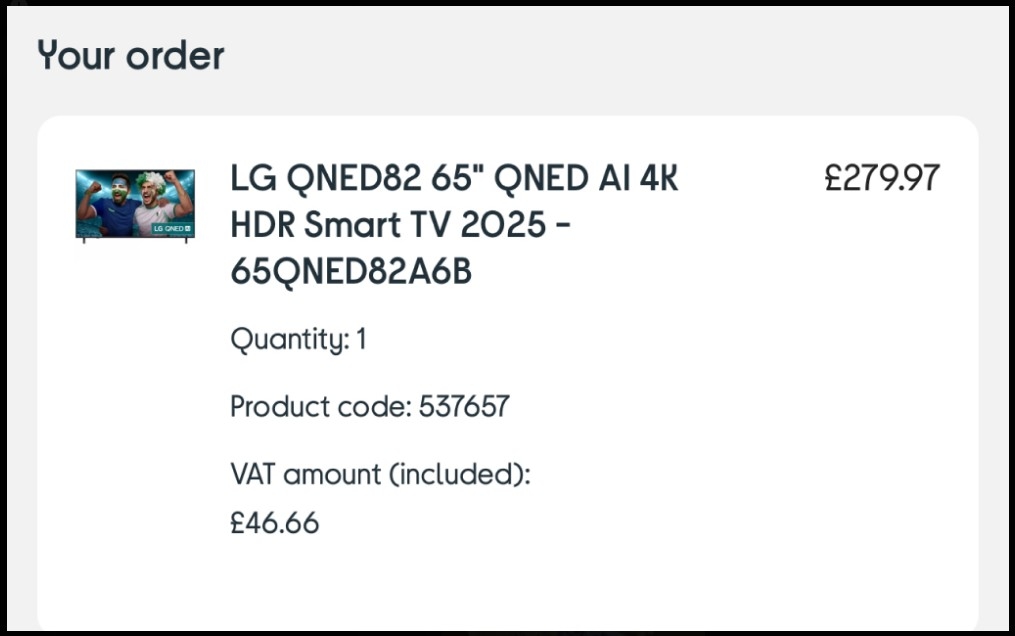
That was exactly what happened when Currys listed the LG QNED82 65-inch QNED AI 4K HDR Smart TV for just £279.97.
With the television normally retailing around the £700 mark, the £279.97 price represented a discount of roughly 60%. Whether it was an aggressive clearance price or an unintended pricing glitch almost became irrelevant once House of Resell's discount monitors detected it.
The important part was that the orders went through.
Better still, Currys delivered them.
A number of House of Resell members managed to secure units while the unusually low price was available, creating an immediate opportunity to sell a current 65-inch television well below its normal retail value while still leaving plenty of room for profit.
The size of the discount is what made the opportunity stand out.
Typical Retail Price: ~£700
Currys Price: £279.97
Discount vs Typical Retail: ~£420 / 60%
Member Resale: £400-£440
Potential Gross Profit: £120-£160 per unit
Potential ROI: ~43%-57%
At £279.97, members did not need to find buyers willing to pay anywhere near the television's usual retail price.
They had room to undercut the wider market substantially and still make a healthy return.
That is an important advantage when flipping larger products. Rather than holding stock while attempting to achieve maximum resale value, members could price competitively for a faster local sale.
This is where the opportunity becomes more than simply another discounted television.
House of Resell's custom discount monitors track products across major retailers for significant price changes and discounts, helping surface opportunities that would otherwise require members to manually check thousands of product pages.
When the LG television appeared at £279.97, the unusually large difference between its Currys price and normal retail value immediately created a potential resale opportunity.
Members were alerted, stock was snapped up and, crucially, Currys fulfilled the orders.
That speed matters because opportunities like this rarely remain unnoticed for long.
Finding a large discount is only half of the equation.
Someone still needs to buy the product afterwards.
In this case, the low acquisition price made that considerably easier.
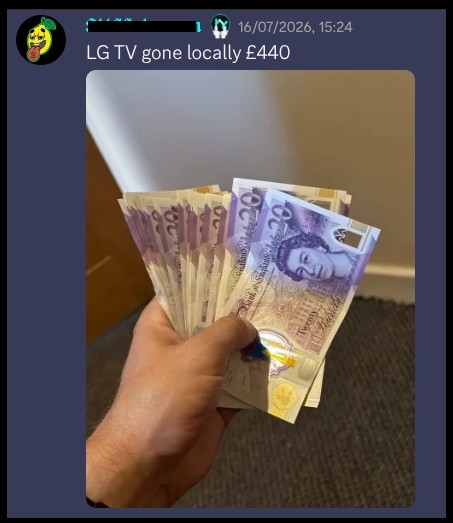
One House of Resell member who purchased the television for £279.97 later confirmed a local sale for £440.
That works out at approximately:
Purchase: £279.97
Sale: £440
Gross Profit: £160.03
ROI: ~57%
Other members were also able to move televisions around the £400-£440 range, providing plenty of margin while still offering buyers a significant saving against the television's normal retail price.
For a product costing less than £280 to acquire, that is an excellent quick turnaround.
A 65-inch television is very different from posting a pair of trainers or a trading card.
Size, packaging and the risk of damage can make shipping expensive and inconvenient.
Local marketplaces therefore offered members a straightforward exit strategy. Selling around £400-£440 allowed members to advertise the television below normal retail pricing while avoiding much of the hassle associated with shipping such a large product.
The buyer gets a heavily discounted 65-inch television.
The reseller keeps a healthy margin.
That combination can make deeply discounted bulky products surprisingly attractive when there is sufficient local demand.
Not every profitable opportunity arrives through a hyped product launch or limited-edition release.
Sometimes the opportunity is simply a mainstream retailer temporarily selling an ordinary product at an extraordinary price.
The difficult part is finding it quickly enough.
Manually checking hundreds of retailers for these discrepancies is unrealistic, particularly when the best discounts can disappear quickly. Automated discount monitoring changes that by continuously looking for substantial movements in price and surfacing products that deserve attention.
It does not mean every large discount is automatically profitable. Resellers still need to assess demand, realistic selling prices, collection or delivery requirements and how quickly they can exit the stock.
But when a £700 television suddenly costs £279.97, it is certainly worth investigating.
Whether Currys intended to sell the LG QNED82 at £279.97 or the price slipped through unexpectedly, the outcome for members was the same: orders were successfully placed, televisions were delivered and units could be resold for around £400-£440.
The strongest example turned a £279.97 purchase into a £440 local sale, producing approximately £160 gross profit and a 57% return before associated costs.
For House of Resell members, this was less about randomly checking Currys and hoping to stumble across a bargain and more about having the right systems watching the market. Custom discount monitors identified the unusually low price, alerts allowed members to act quickly, and those who secured stock were able to turn the retailer discount into genuine resale profit.
A rare Amazon FBA error briefly listed the £1,999 Samsung 75” Neo QLED for £1 — monitors caught it, but Keepa never did.