Featured
Cook groups have become essential for modern resellers, providing real-time alerts, proven opportunities, and access to structured resale systems across multiple markets.


Queuing systems are tools used by retailers to control website traffic during high-demand releases. When a product is expected to attract significant attention, such as limited-edition items, tickets, or collectables, large numbers of users attempt to access the website at the same time. Without traffic control, this can cause site crashes or uneven access. To manage this, queuing systems place users into a virtual waiting room, where access to the site is gradually released in a controlled manner. These systems are now standard across multiple reselling categories, including sneakers, Pokémon TCG, hardware and ticketing events such as concerts.
Queue-it is one of the most commonly used queuing systems across retail.
It places users into a virtual waiting room before granting access to a website. Entry is controlled to ensure the site remains stable while handling high volumes of traffic.
Key features include:
• Virtual waiting room before site access
• Controlled traffic flow
• Randomised or timed entry
• Used for high-demand retail and ticket releases
Queue-it is frequently used for sneaker drops, ticket launches, and major product releases.
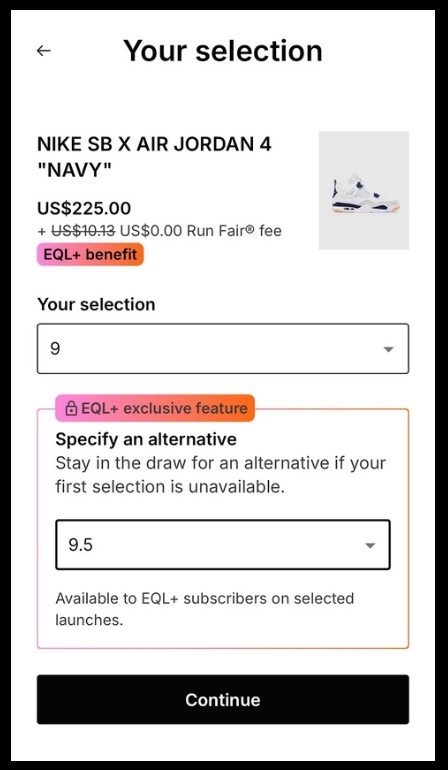
EQL operates using a different model compared to traditional queue systems.
Instead of waiting for access, users enter a draw for the opportunity to purchase a product. Once the entry window closes, selected participants are given the chance to complete their purchase.
This approach is designed to distribute access more evenly and reduce the pressure of first-come systems.
Key features include:
• Raffle-based entry system
• Structured selection process
• Reduced reliance on timing alone
Common across collectables and limited releases
EQL has also introduced enhanced features often referred to as EQL+, designed to improve the overall allocation process.
These include:
• Account-based entries, requiring verified user details
• Purchase history checks, helping prioritise genuine buyers
• Entry filtering systems to manage duplicate or invalid entries
• Improved allocation fairness across large user pools
These features aim to create a more controlled and structured release process, particularly for highly limited products.
In addition to Queue-it and EQL, retailers may also use:
• First-Come, First-Served (FCFS) releases
• Timed product drops
• Account-based early access systems
Each method is designed to manage demand while maintaining site stability and controlled access.
Understanding how these systems work allows resellers to prepare more effectively for releases.
Different systems require different approaches, whether that involves entering raffles, preparing for timed drops, or being ready for queue-based access.
The key advantage comes from being prepared before the release goes live, rather than reacting after.
Queuing systems have become a standard part of modern reselling, particularly as demand continues to increase across multiple categories.
By understanding how systems such as Queue-it and EQL operate, resellers can approach releases with greater awareness and preparation.
👉 Want to stay ahead of upcoming releases and understand how different drops work? House of Resell provides real-time alerts, release breakdowns, and insights to help members prepare effectively.
Cook groups have become essential for modern resellers, providing real-time alerts, proven opportunities, and access to structured resale systems across multiple markets.

Resellers win because they move faster. With monitors, bots, and the right group, stock is secured before normal buyers even load the page. Join House of Resell Elite to start flipping smarter.