
Featured
Cook groups have become essential for modern resellers, providing real-time alerts, proven opportunities, and access to structured resale systems across multiple markets.

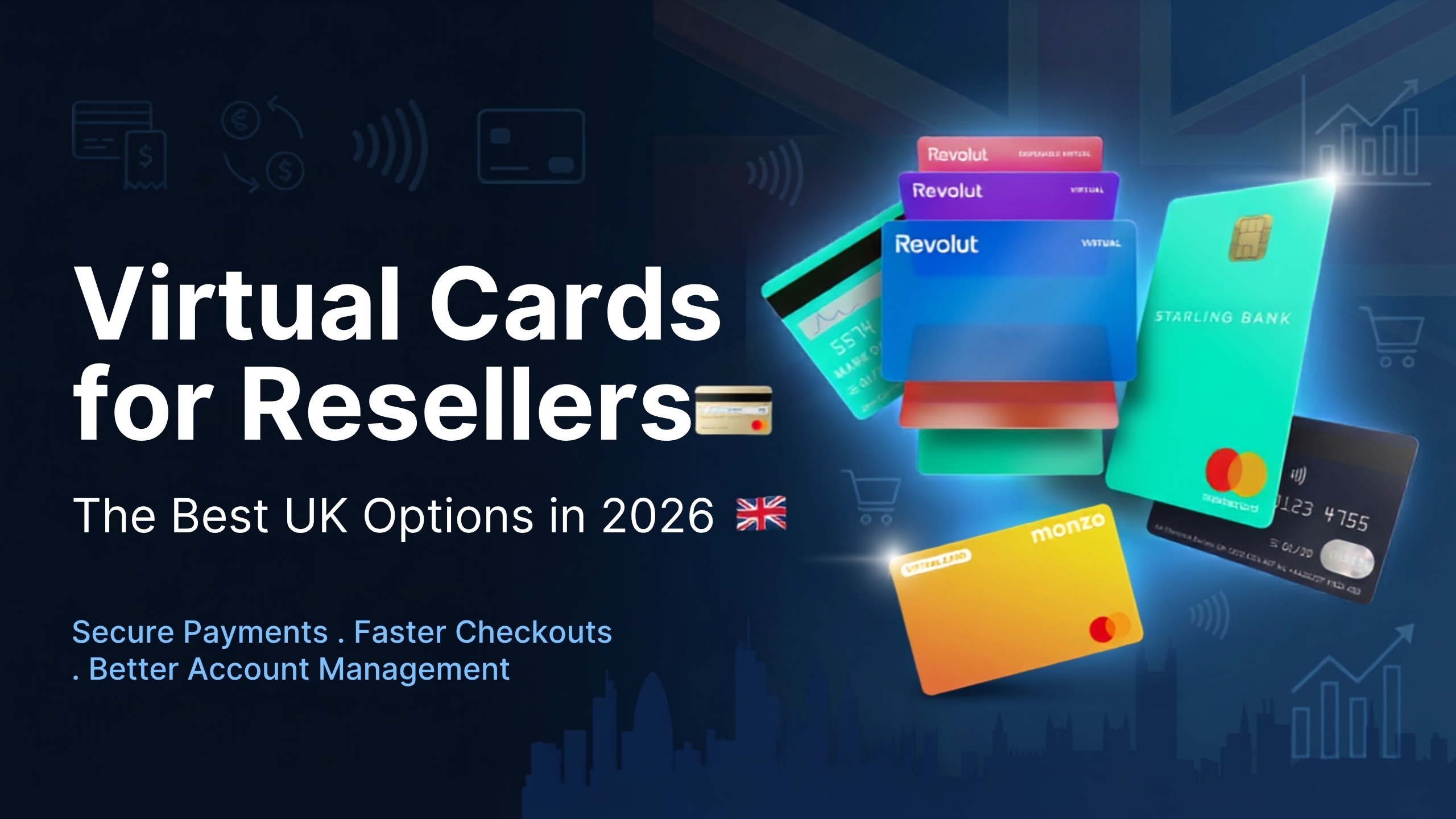
As reselling continues to become more competitive, many successful resellers are looking for ways to better organise their purchases, manage risk, and improve their chances of securing stock during high-demand releases.
One tool that has become increasingly popular is the virtual card.
Used correctly, virtual cards can help resellers separate spending, manage multiple profiles, and keep release purchases organised without relying on a single physical bank card.
Whether you're targeting sneakers, Pokémon products, tickets, collectables, limited-edition merchandise, or other high-demand releases, virtual cards have become a valuable part of many resellers' setups.
A virtual card functions like a normal debit card but exists entirely in digital form.
Each card has its own:
• Card number
• Expiry date
• Security code (CVV)
Because they operate independently, virtual cards allow users to create separate payment methods without needing multiple physical bank cards.
Many providers also allow users to generate additional cards instantly through their banking app.
Virtual cards have become increasingly popular within the reselling community for several reasons.
Many resellers use them to:
• Keeping purchases organised
• Separating business and personal spending
• Managing multiple release entries
• Improving account organisation
• Reducing exposure if a card is compromised
For those participating in highly competitive releases, virtual cards can also help create cleaner, more structured checkout setups.
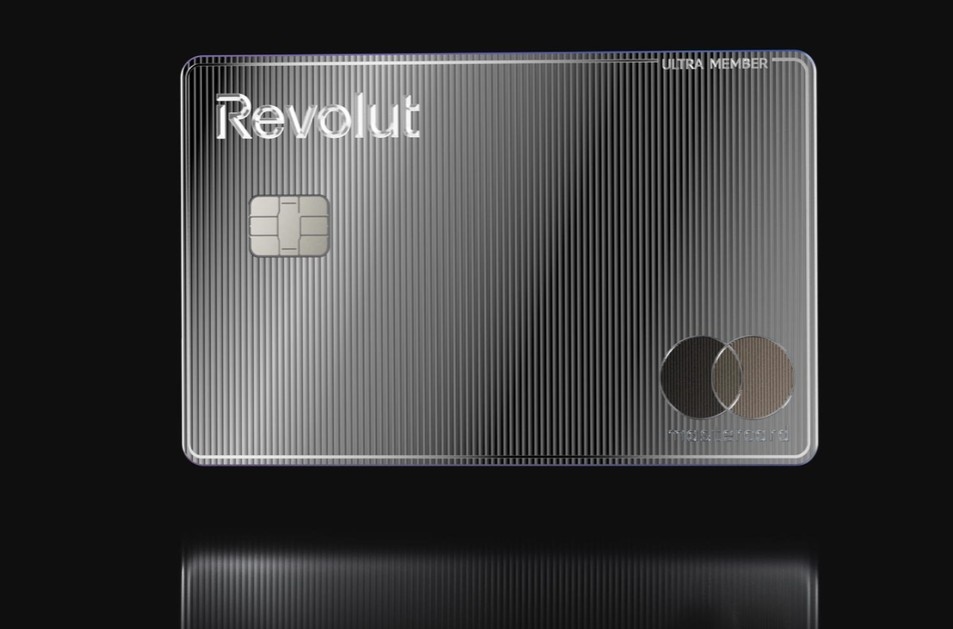
Revolut remains one of the most widely used virtual card providers among UK resellers thanks to its flexible card management and virtual card features.
Revolut remains one of the most popular options among UK resellers.
Benefits include:
• Instant virtual card creation
• Disposable virtual cards
• Easy card management
• Fast app-based controls
Many House of Resell members use Revolut due to its flexibility, ease of use, and compatibility with many of the retailers targeted by resellers.
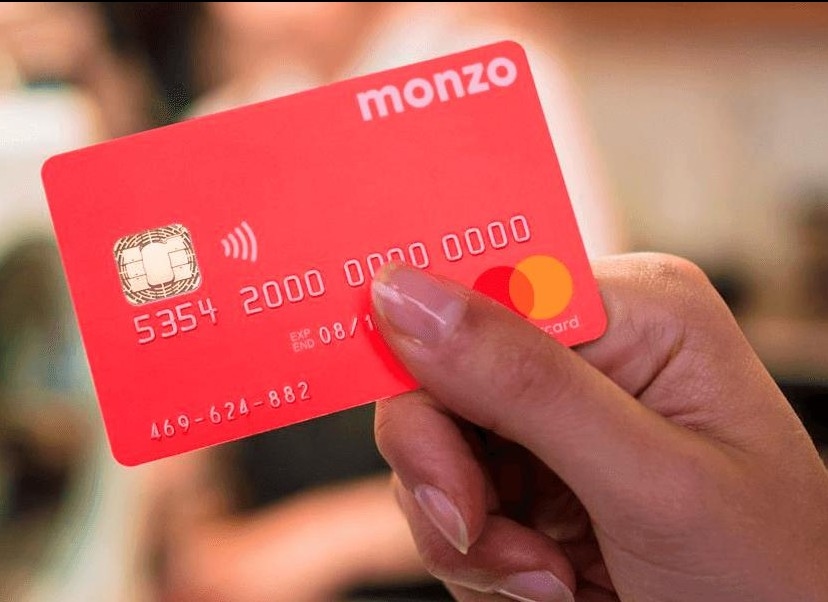
Monzo offers virtual card functionality and spending controls that help keep release purchases organised.
Monzo offers virtual cards through selected account plans and has become another popular option within the UK reselling community.
Benefits include:
• Strong mobile app
• Spending controls
• Simple card management
• Reliable payment processing
Its straightforward interface makes it particularly appealing to newer resellers looking to keep spending organised.
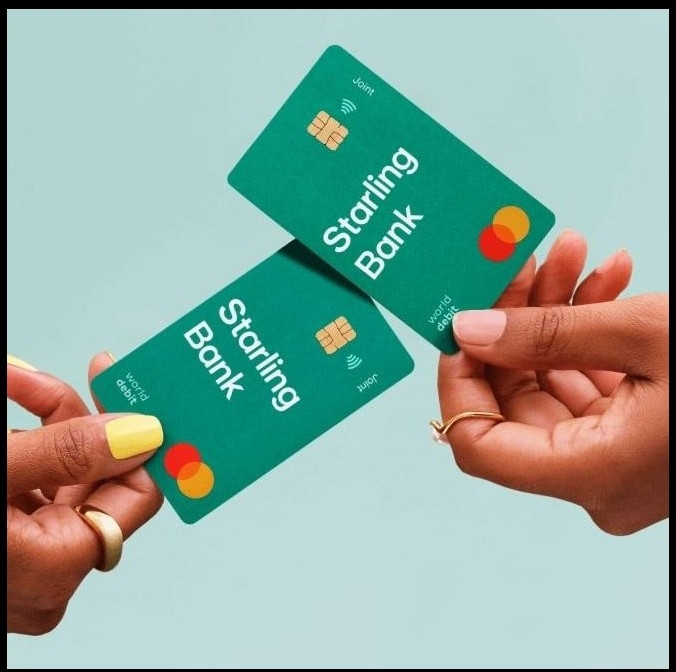
Starling Bank provides a simple banking experience and is commonly used by resellers looking to separate business and personal spending.
Starling continues growing in popularity thanks to its simple banking experience and business-friendly features.
Benefits include:
• Easy account management
• Strong customer support
• Useful spending insights
For many users, Starling provides a good balance between traditional banking features and modern app functionality.
While virtual cards are extremely useful, it's important to understand that they are not accepted everywhere.
Some websites and retailers have fraud prevention systems that specifically require a physical debit or credit card. In these cases, virtual cards may be declined even when sufficient funds are available.
This is most commonly seen on certain ticketing platforms, luxury retailers, and websites that use stricter payment verification systems.
Fortunately, the vast majority of websites commonly used by resellers continue to accept virtual cards without issue. Retailers selling trading cards, LEGO, collectables, electronics, gaming products, and general merchandise typically support virtual cards in the same way as standard debit cards.
Because acceptance policies vary between retailers, many experienced resellers choose to keep both virtual cards and at least one physical card available. This provides additional flexibility when targeting different releases and ensures they are prepared if a retailer has specific payment requirements.
While acceptance can vary, virtual cards remain one of the most widely used payment methods within the reselling community and continue to play an important role in managing profiles, purchases, and release opportunities.
For many resellers, the answer is yes.
Virtual cards provide:
• Better organisation
• Increased flexibility
• Improved security
• Easier spending management
As reselling continues to evolve, tools that improve efficiency and organisation are becoming increasingly valuable.
Virtual cards have become one of the simplest upgrades resellers can make to their setup.
Whether you're securing tickets, entering limited releases, purchasing Pokémon products, managing multiple profiles, or participating in House of Resell's ACO services, virtual cards can help make the process more organised and easier to manage.
While some retailers still require physical cards, most of the websites commonly targeted by resellers continue to support virtual cards without issue.
As competition continues to increase across the reselling space, having access to flexible payment solutions such as Revolut, Monzo, and Starling can provide a meaningful advantage.
👉 House of Resell members regularly discuss virtual card setups, release strategies, ACO opportunities, and other tools designed to improve success rates across multiple resale categories.
Cook groups have become essential for modern resellers, providing real-time alerts, proven opportunities, and access to structured resale systems across multiple markets.

Resellers win because they move faster. With monitors, bots, and the right group, stock is secured before normal buyers even load the page. Join House of Resell Elite to start flipping smarter.